



In today’s fast-paced world, acquiring new skills quickly has become more important than ever. Traditional learning methods often rely on passive reading or watching tutorials, which can be inefficient. However, there is a revolutionary approach that is changing the way we absorb knowledge: learning prompts. Understanding how learning prompts can transform the way you learn anything faster could be the key to mastering new skills with ease.
What Are Learning Prompts?
Learning prompts are carefully designed cues or questions that guide your thinking and focus your attention on the most critical aspects of a topic. Unlike traditional methods, which often involve passive consumption of information, prompts actively engage your brain. They encourage reflection, critical thinking, and application, making your learning process faster and more effective.
Why Learning Prompts Accelerate Learning
There are several reasons why using prompts can drastically improve your learning speed:
- Active Engagement: Prompts require you to think, analyze, and respond. This active engagement strengthens memory retention and understanding.
- Focused Attention: Instead of overwhelming yourself with information, prompts direct your focus to what truly matters.
- Immediate Application: Many prompts are designed to encourage practical application, helping you turn knowledge into action quickly.
By leveraging prompts in your study routine, you can significantly cut down the time it takes to grasp complex concepts.
How to Use Learning Prompts Effectively
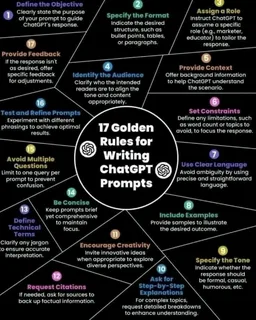
To harness the full potential of learning prompts, follow these steps:
- Start with Clear Objectives: Define what you want to achieve before using prompts. This ensures your focus remains sharp.
- Ask Open-Ended Questions: Use prompts that require explanation, comparison, or analysis rather than simple yes/no answers.
- Review and Reflect: After responding to a prompt, take time to reflect on your answer and identify gaps in your understanding.
- Iterate and Adapt: Continuously refine your prompts to align with your evolving learning needs.
Real-Life Examples of Learning Prompts
Imagine learning a new language. Instead of just memorizing vocabulary, you could use prompts like:
- “How would I use this word in a real conversation?”
- “What are three alternative ways to express this idea?”
These prompts push you to think critically and apply what you learn immediately. Similarly, in coding, prompts like “How can I optimize this function?” or “What are the potential edge cases?” encourage deeper understanding and faster skill acquisition.
Conclusion
Incorporating prompts into your learning routine is a game-changer. By understanding how learning prompts can transform the way you learn anything faster, you can move beyond passive learning and embrace a more active, efficient approach. Whether it’s mastering a new language, picking up a professional skill, or exploring a hobby, prompts can guide your learning journey and accelerate your progress.
Embrace learning prompts today, and watch your ability to acquire knowledge soar.
