



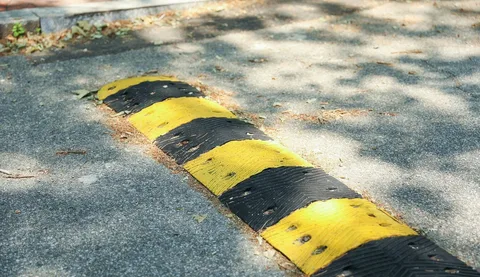
Road safety is a growing concern in residential neighborhoods where children play, pedestrians walk, and local traffic moves at varying speeds. One of the most effective measures to ensure safety on these roads is the installation of speed bumps. This article explores how speed bumps improve road safety in residential areas and why they are an essential component of urban planning.
What Are Speed Bumps?
Speed bumps are raised sections of the road designed to slow down vehicles. They are typically made of asphalt, concrete, or rubber and are strategically placed in areas where reducing vehicle speed is critical. Unlike other traffic-calming measures, speed bumps physically force drivers to slow down, making them highly effective in residential zones.
Enhancing Pedestrian Safety
Residential areas are often bustling with pedestrians, including children, elderly residents, and pets. High vehicle speeds increase the risk of accidents. By incorporating speed bumps into streets, drivers are prompted to reduce their speed, allowing more reaction time to avoid collisions. Studies have shown that roads with speed bumps see a significant decrease in pedestrian-related accidents.
Reducing Vehicle-Related Accidents
Speeding is one of the leading causes of vehicle accidents in residential neighborhoods. Speed bumps not only reduce vehicle speed but also encourage safer driving habits. Slower speeds decrease stopping distance, reduce the severity of crashes, and provide a safer environment for all road users.
Creating a Calm and Livable Community
Beyond preventing accidents, speed bumps contribute to the overall quality of life in residential areas. Slower traffic improves neighborhood livability, reduces noise pollution, and makes streets safer for recreational activities like walking, biking, and jogging. Residents feel more secure knowing that traffic is controlled and pedestrian safety is prioritized.
Conclusion
In conclusion, speed bumps play a vital role in improving road safety in residential areas. They effectively slow down traffic, protect pedestrians, reduce accident severity, and enhance community livability. For urban planners and local authorities, incorporating speed bumps is a practical, low-cost solution to ensure that neighborhoods remain safe and enjoyable for everyone.
