



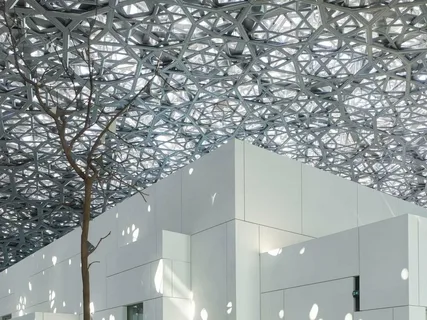
When designing a building, every detail matters—right down to the windows, vents, and shading solutions. One element that combines functionality, aesthetics, and energy efficiency is the louvre system. In this guide, we will explore everything you need to know about selecting the perfect louvre system for your building.
What is a Louvre System?
A louvre system is a series of slats or angled panels installed on windows, walls, or ventilations that allow light and air to pass through while blocking unwanted elements such as rain or excessive sunlight. They are widely used in commercial, industrial, and residential buildings for their versatility and durability.
Benefits of Installing Louvre Systems
- Enhanced Ventilation – Louvres promote natural airflow, reducing reliance on air conditioning systems.
- Improved Energy Efficiency – By controlling sunlight and airflow, louvres help in maintaining comfortable indoor temperatures.
- Aesthetic Appeal – Modern louvre systems come in a range of materials and finishes, adding a sleek look to building facades.
- Weather Protection – Properly designed louvres can keep out rain, dust, and direct sunlight without compromising ventilation.
Types of Louvre Systems
Choosing the right type is essential for maximizing performance. Here are the most common options:
Fixed Louvres
Fixed louvres are permanently angled and provide constant airflow while offering a modern, minimalistic look. They require minimal maintenance and are ideal for walls and facades.
Adjustable Louvres
Adjustable or operable louvres allow you to control airflow and light manually or automatically. These are perfect for buildings that need flexibility in climate control and sunlight management.
Acoustic Louvres
Designed to reduce noise transmission, acoustic louvres are commonly used in industrial buildings or areas near busy roads. They provide ventilation while minimizing sound pollution.
Key Factors to Consider When Choosing a Louvre System
When selecting a louvre systems, several critical factors need attention:
- Material – Options include aluminum, steel, timber, and PVC. Aluminum is lightweight and corrosion-resistant, making it ideal for external applications.
- Orientation and Angle – The angle of the slats affects airflow, sunlight, and rain protection. Consider your building’s location and climate.
- Maintenance Requirements – Some materials require regular cleaning or treatment, while others are virtually maintenance-free.
- Aesthetic Compatibility – Louvres should complement your building’s design, colors, and overall architecture.
- Cost and Budget – Factor in installation, maintenance, and potential energy savings when evaluating cost-effectiveness.
Installation and Maintenance Tips
- Professional Installation – Ensure proper alignment and sealing to maximize efficiency.
- Regular Cleaning – Dust and debris can obstruct airflow, so clean your louvres periodically.
- Inspection – Check for corrosion, loose components, or damage, especially in adjustable systems.
Conclusion
Selecting the right louvre system can dramatically enhance your building’s energy efficiency, comfort, and aesthetic appeal. Whether you choose fixed, adjustable, or acoustic louvres, understanding your building’s needs is crucial. The Ultimate Guide to Choosing Louvre Systems for Your Building serves as a roadmap to making informed decisions, ensuring both functionality and style are optimized.
Investing in the right louvre system today can save energy, reduce maintenance costs, and create a more comfortable environment for occupants tomorrow.
